
 (402) 431-2335

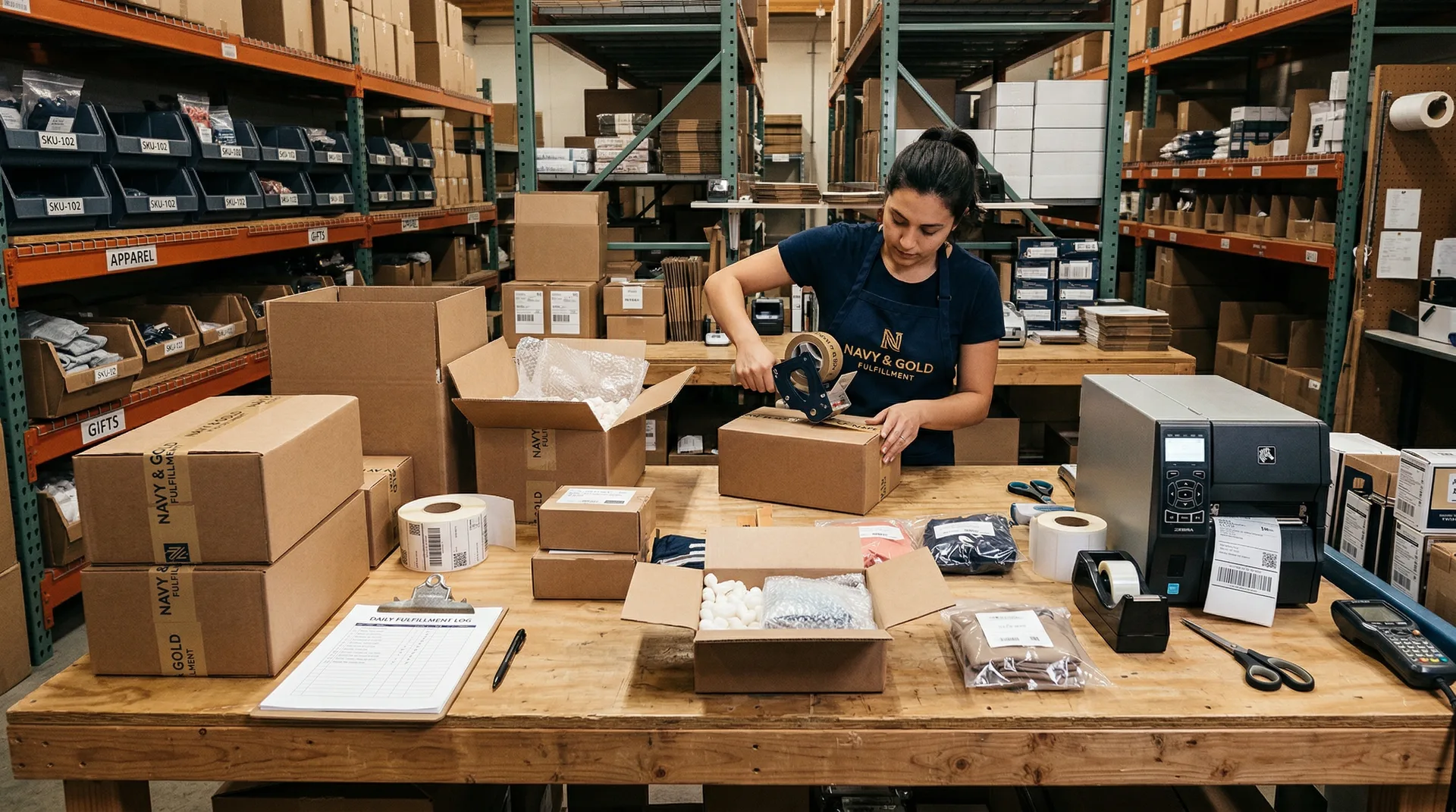
You just got a great online order. A customer wants a couple of magazines, a box of ammo, and a new handguard. Easy money, right? Then it hits you: can you actually ship all of that to their state? Understanding firearms shipping restrictions is not optional if you sell guns, parts, or accessories online. It is the price of doing business.
If you have ever frozen mid-fulfillment wondering whether that 15-round magazine is legal to send to Colorado, you are not alone. Gun shipping restrictions are one of the most confusing parts of running a firearms business online. The cost of getting it wrong goes beyond awkward. We are talking fines, FFL problems, or a carrier dropping your account with no warning.
This guide is built for FFL holders and firearms retailers who sell online. We will cover federal rules, carrier policies, the state-by-state mess, and how to automate compliance so you stop checking every order by hand. Once you set up the right systems, shipping compliance becomes simple.
Federal Firearms Shipping Regulations: The Foundation
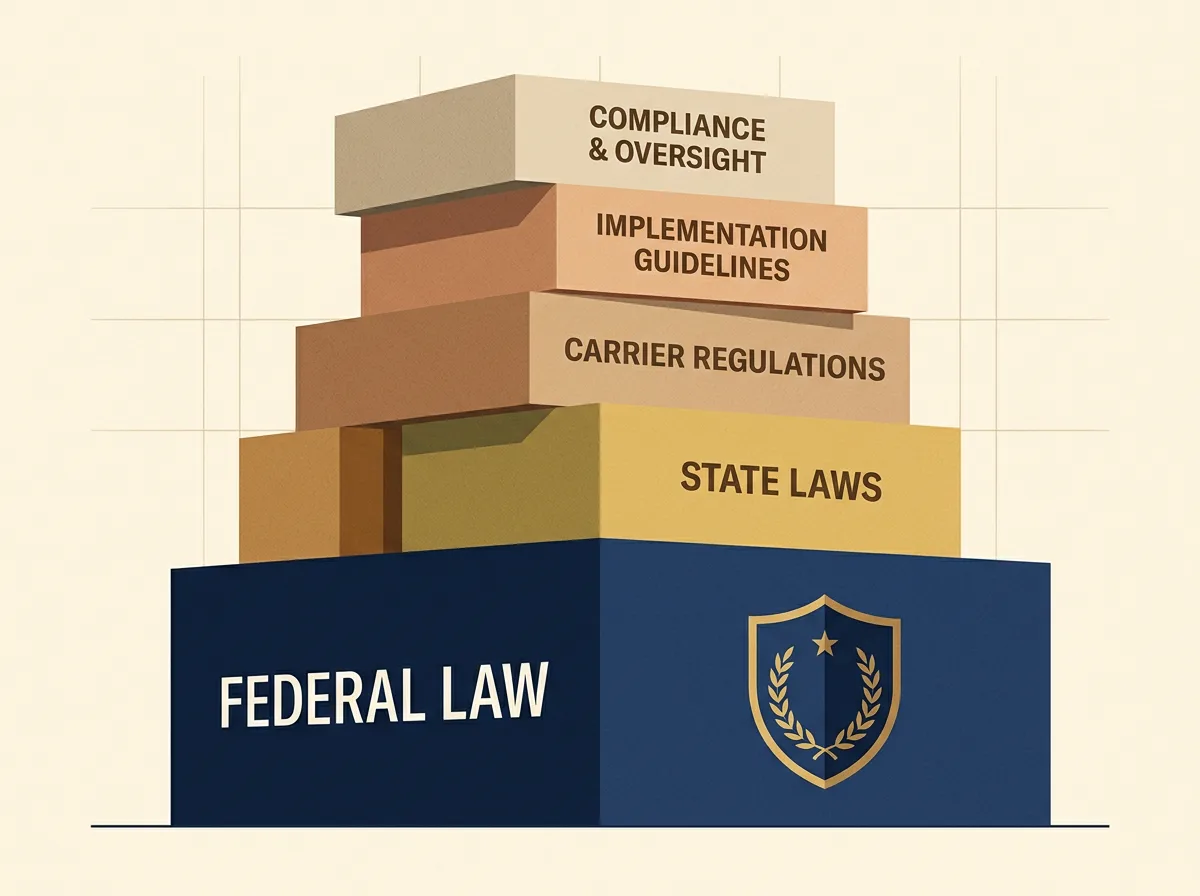
Every conversation about gun shipping restrictions starts with the ATF. Federal law sets the baseline. Everything else stacks on top. If you do not have this layer locked down, nothing else matters.
As an FFL holder, you can ship firearms through USPS (long guns only), UPS, and FedEx. But here is the rule that trips up newer online sellers all the time: all firearms must ship to another FFL. Not to the customer's door. Not to their P.O. box. To a licensed dealer who can complete the Form 4473 and run the background check.
There are narrow exceptions, like returns to a maker. But for daily ecommerce sales, it is FFL-to-FFL. Period.
Handguns vs. long guns: this matters more than you think. Handguns must ship through UPS or FedEx. USPS does not allow most handgun shipments. Long guns can go through all three carriers. This sounds simple, but it catches new sellers off guard, especially when they quote USPS rates to customers buying pistols.
Then there are the gray areas: parts, accessories, and ammo.
Not every part is treated the same way. A stripped lower receiver is a firearm in the ATF's eyes. A handguard is not. Ammo has its own federal and state shipping rules. Magazines, suppressors, and NFA items each come with unique needs. With the ATF's evolving frames and receivers rule, the definitions keep shifting.
Common Federal Compliance Mistakes
Three mistakes we see firearms businesses make over and over:
- Shipping direct to a consumer instead of routing through an FFL. Even if the customer swears they will "handle the paperwork."
- Mislabeling packages. Either marking them too clearly (creating theft risk) or leaving out required documents.
- Failing to verify the receiving FFL's license. Licenses expire. Always check before you ship.
Federal rules are the floor. But the real headache? Every state gets to add its own rules on top.
State-by-State Firearms Shipping Restrictions: Where It Gets Painful
This is where most firearms business owners feel the real pain. And honestly, it is the area that costs the most money when things go wrong.
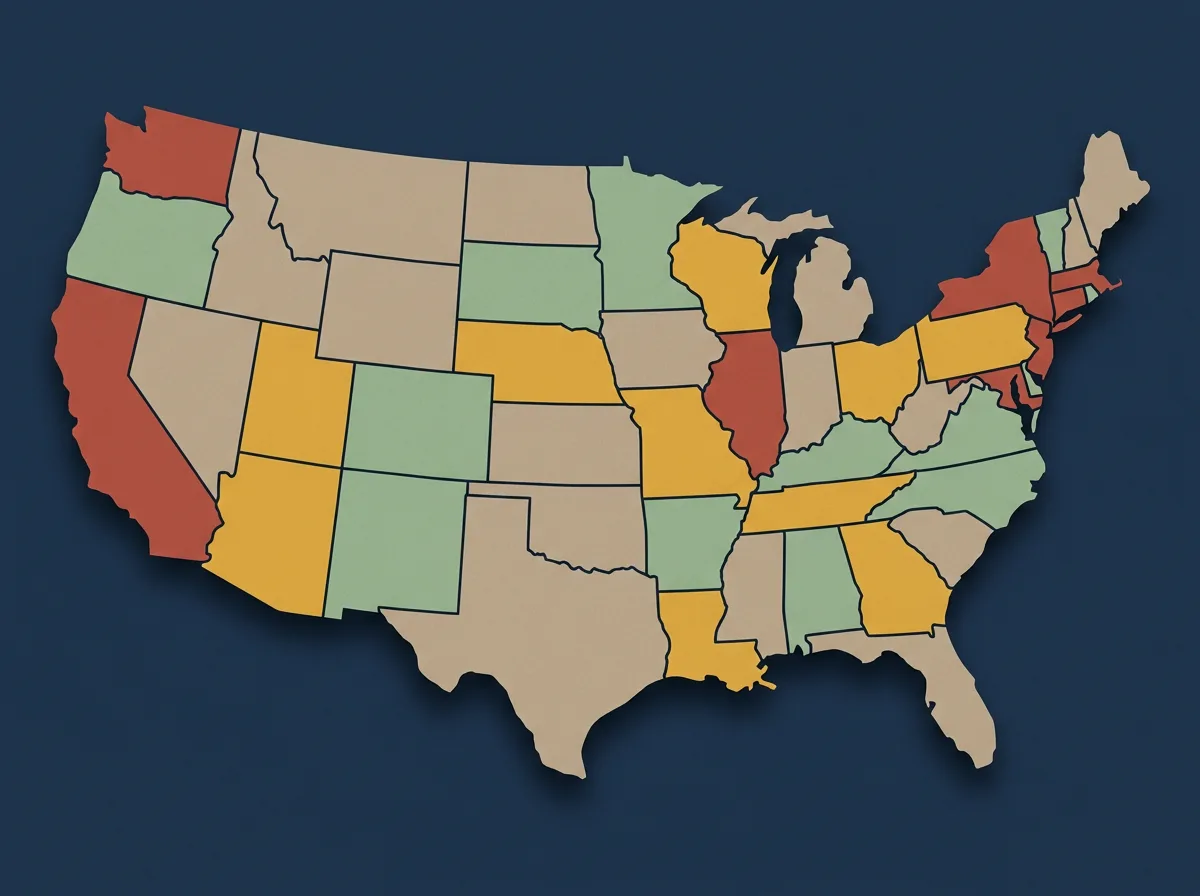
There is no single federal standard for what accessories, parts, or ammo can ship where. States like California, New York, New Jersey, Massachusetts, Connecticut, Illinois, and Washington each keep their own restricted items lists. These laws change often. What was legal to ship last year might get you in trouble this year.
Let me give you a real example. Magazine capacity limits vary wildly. California, Connecticut, and New Jersey cap at 10 rounds. Colorado says 15. Other states have no limit at all. A few states changed their laws in just the last two years. If you ship magazines without tracking this, you are gambling.
Here are the product types you need to watch by state:
- Magazines: CA, CO, CT, DC, HI, MD, MA, NJ, NY, VT, and WA all have some form of cap.
- Ammunition: California requires ammo to ship to an FFL. New York has similar rules. Several states add age limits beyond the federal minimum.
- "Assault weapon" parts: States with assault weapons bans restrict features like pistol grips, threaded barrels, and flash hiders. They restrict the parts, not just full builds.
- Suppressors and NFA items: Legal in many states, but banned in CA, DE, HI, IL, MA, MN, NJ, NY, RI, and others.
The cost of getting this wrong is real. We are talking legal risk and possible criminal charges, carrier account bans, chargebacks that eat your margins, and a bad name in an industry where word travels fast.
States That Change the Rules Most Often
Between 2024 and 2026, multiple states passed new laws that affect what you can ship. Washington expanded bans on certain semi-auto rifle parts. Illinois tightened its assault weapons ban. Colorado revisited magazine limits.
"I checked last year" is not good enough. Not even close.
Build a habit of watching state law changes through the ATF, NRA-ILA's state law page, and your state legislature sites. If you want help growing your online presence while staying compliant, a firearms-focused digital agency can make a big difference.
Or better yet, use a tool that tracks restrictions for you. More on that soon.
Carrier Policies: UPS, FedEx, and USPS Rules
Here is something most firearms retailers learn the hard way: carriers do not just follow the law. They set their own policies on top of it. Those policies can be stricter than what the government requires.

UPS got much more strict after its 2023 policy changes. UPS only ships firearms between licensed dealers and makers (FFL-to-FFL). Handguns must go via UPS Next Day Air. In many cases, ammo and firearms need separate packages. Adult signature is required, and specific labeling rules apply. No exceptions.
FedEx keeps similar FFL-to-FFL rules. They often require advance notice from shippers, and they have strict packaging and labeling standards. Handguns must ship Priority Overnight. FedEx has been seen as more gun-friendly in the past, but their policies keep changing. Do not assume last year's process still works.
USPS can ship long guns (rifles and shotguns) but NOT handguns, with very few exceptions. Parts and accessories are generally fine, but check specific items. USPS does NOT ship ammo or loaded firearms. Full stop. For non-handgun, non-ammo orders, USPS is often the cheapest option.
Here is a reality no one likes to talk about: carriers can refuse service or close accounts for firearms businesses with little warning. It happens more than you think.
Having a backup carrier is not optional. It is insurance. Some businesses use specialized firearms shipping brokers as a safety net. Smart move. If you need a reliable ecommerce hosting setup that works with your shipping tools, that matters too.
So you have federal law, 50 different state laws, and three carriers with their own rules. How do you manage all of this without hiring a full-time compliance person?
How to Handle Firearms Shipping Restrictions on Your Store
Let us shift from the problem to the fix. Knowing the rules is one thing. Running them at scale is something else.

The manual approach works until it does not. Some store owners keep spreadsheets of restricted items by state. Others review each order by hand before shipping. That is fine at five orders a day. It falls apart at 50. Human error is certain, and in this industry, one mistake can cost more than a refund.
Think about it: if you sell magazines, ammo, and accessories across all 50 states, you are managing hundreds of product-state combos. Every day. That is not something you can sustain.
The best time to catch a bad shipment is BEFORE checkout, not after. Once an order goes through, you face cancellation emails, chargebacks, and angry customers. But if your store blocks the order before it is placed? Problem solved. No awkward talks. No compliance risk.
This means building restrictions into your checkout flow. Block cart additions by state or zip code. Show clear messages so customers know why they cannot order certain items. Good messaging cuts support tickets fast. A well-built ecommerce website makes this much easier to pull off.
Automate It with a Shipping Restrictions Plugin
This is where ShipRestrict.com becomes a game-changer for firearms retailers.
ShipRestrict is a purpose-built shipping restrictions plugin for ecommerce sites that handles compliance for you. Here is how it works: you set rules by product, category, or SKU. The plugin then blocks or flags orders going to restricted states and cities. It handles the logic at the cart and checkout level, so your customers see the restriction before they ever hit "place order."
Instead of checking every order against a patchwork of 50 state laws, ShipRestrict does it for you. Every time. This tool is especially useful if you sell across multiple restricted product types like magazines, ammo, NFA items, and "assault weapon" parts.
Other compliance habits you should keep alongside your shipping restrictions plugin:
- Audit your restricted items list every quarter. Laws change, and your rules need to keep up.
- Train your staff on packaging, labeling, and carrier needs. Automation handles checkout, but humans still pack boxes.
- Keep FFL records current for every receiving dealer you ship to.
- Document your compliance process. If questions come up, your records are your best defense.
What to Look for in a Compliance Tool
Not all tools are equal. When you evaluate options, look for:
- Auto updates when laws change, or at least alerts that tell you to update
- Easy setup with your platform, whether it is Shopify, WooCommerce, or BigCommerce
- Detailed control at the state, county, and city level (some local rules differ from state law)
- Clear customer messages that explain restrictions without causing confusion
To keep growing your store while staying compliant, solid SEO strategies for firearms ecommerce will help you bring in the right traffic.
Your Firearms Shipping Compliance Checklist
Bookmark this. Print it. Tape it to the wall next to your packing station.
- Verify your FFL is current and on file with all carriers
- Know the handgun vs. long gun rules for USPS, UPS, and FedEx
- Map your products against state-by-state restrictions (magazines, ammo, NFA items, "AW" parts)
- Set up a shipping restrictions plugin on your site with ShipRestrict.com
- Set up proper packaging and labeling per carrier rules
- Require adult signature for all firearms shipments
- Audit your restricted items list every quarter
- Train staff on compliance steps
- Watch state law changes through NRA-ILA alerts and ATF updates
- Document everything. Your compliance process is your legal shield.
Conclusion
Firearms shipping restrictions come down to four layers: federal law, state law, carrier policy, and your internal process. Miss any one, and you are exposed.
But here is what I want you to take away: this is doable. It really is.
Yes, the firearms industry faces more shipping friction than almost any other retail category. That is not your fault. But it is your job to handle it right. Thousands of firearms businesses ship legally and profitably every single day. You can too.
The gap between a compliant store and a risky one usually is not knowledge. You clearly care enough to read a 2,000-word guide on the topic. The gap is systems. The owners who automate with tools like ShipRestrict, instead of relying on memory and spreadsheets, are the ones who grow without compliance headaches.
Get the basics right. Automate what you can. Audit often. And stop losing sleep over whether that last shipment should have gone out.
Stop checking every order against 50 different state laws by hand. Set up ShipRestrict on your store and let it handle the compliance logic, so you can focus on what you got into this business to do: selling.
Bookmark this guide, share it with another firearms business owner who deals with shipping headaches, and check out the Gunpowdr blog for more firearms business growth tips.