
 (402) 431-2335


Try running a Facebook ad for your gun store and see what happens. Go ahead. We'll wait.
If you've been in the firearms industry for more than five minutes, you already know the punchline. Your ad gets rejected. Maybe your account gets flagged. And if you're really lucky, your entire page gets restricted for 30 days because you posted a promo for a beginner safety class.
Here's the thing: it's not your imagination. Firearms digital marketing is harder than almost any other industry because of platform restrictions most businesses never have to deal with. And most of the "digital marketing advice" floating around the internet? It was written for people selling candles and skincare, not Glocks and green-tip ammo.
At GunPowdr, we work exclusively with firearms businesses: gun stores, ranges, manufacturers, and ecommerce retailers. We've seen what works, what wastes money, and what gets your ad accounts permanently banned. So we built this guide to cut through the noise and give you a real playbook.
You're going to learn how to use SEO, email marketing, content, and community-building to grow your business online. No fluff. No generic advice. Just strategies built for this industry.
The firearms businesses growing fastest right now aren't fighting the algorithm. They're building marketing systems that don't depend on platforms that hate them.
Let's get into it.
Why Most Marketing Advice Doesn't Work for Firearms Businesses
Before we talk about what works, let's talk about why the standard playbook falls apart for gun stores, ranges, and manufacturers. If you've ever felt like digital marketing just "isn't for your industry," you're not wrong. You've just been following the wrong advice.
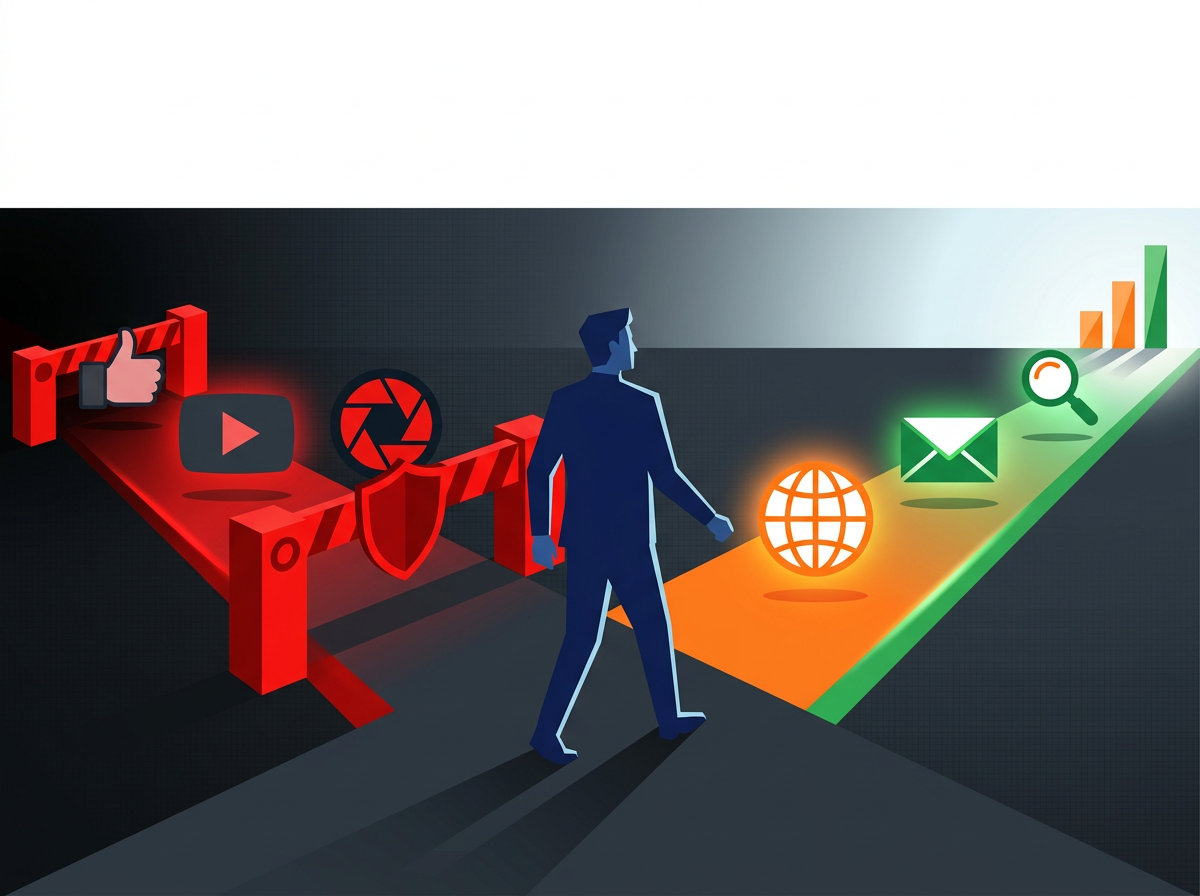
Platform restrictions are real, and they're getting worse.
Meta (Facebook and Instagram), Google Ads, and TikTok all have explicit policies restricting firearms advertising. We're not talking about gray areas. These platforms spell it out in black and white: no promoting the sale of guns, ammo, or accessories.
But it goes beyond paid ads. Even organic content gets flagged, shadow-banned, or outright removed. We've seen a gun range post a safety class promotion (literally an education event) and catch a 30-day page restriction. It's absurd, but it's reality.
Generic marketing agencies don't understand compliance.
Most agencies have zero experience navigating ATF compliance, FFL-specific regulations, or platform firearms policies. The result? Wasted ad spend at best. Permanently banned accounts at worst.
We've onboarded clients who burned $5,000 or more with generalist agencies that got their ad accounts nuked within weeks. That's not a learning curve. That's negligence. It's one of the biggest reasons firearms brands need a dedicated digital agency that actually understands the landscape.
Your customers ARE online. The channels just look different.
Firearms consumers are incredibly active online. They're on forums, YouTube, email newsletters, Reddit, and niche communities. Firearms ecommerce has grown significantly since 2020, and the trend isn't slowing down. The opportunity is massive for businesses willing to go where the audience actually hangs out.
The Mindset Shift: Own Your Audience, Don't Rent It
This is the single most important concept in this entire guide.
Building your marketing on social media platforms is building on rented land. The landlord can change the rules, raise the rent, or kick you out whenever they feel like it. For firearms businesses, they do. Regularly.
Owned channels like your email list, your website, and your organic search rankings? Nobody can take those away from you. Every strategy that follows is built on this principle.
So what DOES work? Let's start with the highest-ROI channel for firearms businesses.
Firearms SEO: Your 24/7 Salesperson
If there's one channel that every firearms business should invest in, it's SEO. Here's why: unlike paid ads, Google doesn't restrict organic rankings for firearms content. Your product pages, blog posts, and location pages can rank right alongside anyone else's.
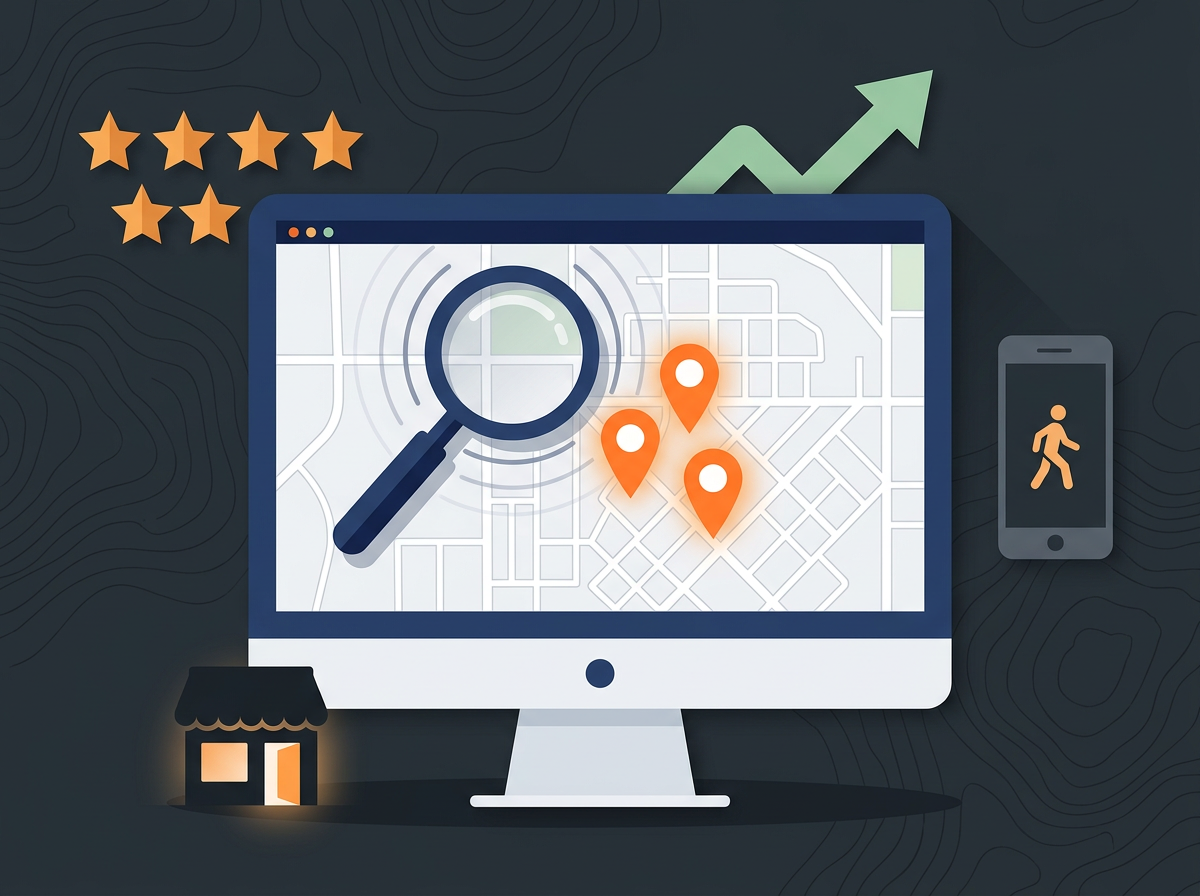
And your buyers are actively searching. Think about the queries happening right now: "best concealed carry holster," "gun range near me," "AR-15 lower receiver in stock." These are high-intent searches from people ready to spend money. If you're not showing up, your competitor is.
The best part? Long-tail keyword opportunities in the firearms space are massive and surprisingly under-competed. Most gun stores haven't invested in SEO at all, which means the barrier to entry is lower than you'd think. We break down the specifics in our guide to SEO strategies for firearms ecommerce.
Local SEO for gun stores and ranges.
If you have a physical location, local SEO is your bread and butter. Start with your Google Business Profile. Make sure your categories are accurate, your photos are current, you're answering questions in the Q&A section, and you're actively generating reviews.
Target local keywords like "[your city] gun store," "[your city] shooting range," and "[your city] FFL transfer." These searches have strong buyer intent, and the local pack (that map section at the top of Google) drives serious foot traffic.
One practical tip that's wildly underrated: respond to every single review. Positive or negative. Google notices engagement, and potential customers notice how you handle criticism. Both matter.
Ecommerce SEO for online retailers and manufacturers.
If you sell online, your product pages need unique descriptions (not copy-pasted manufacturer text), proper schema markup, optimized image alt text, and clear internal linking. Your category pages should target commercial-intent keywords that shoppers actually use.
And then there's blog content. This is where you capture people earlier in the buying journey and funnel them toward your products.
Content That Ranks: What to Write About
Not all blog content is created equal. Focus on three types that consistently perform in the firearms niche:
- Buyer's guides: "Best 9mm Pistols for Home Defense" or "Top 5 Beginner-Friendly Hunting Rifles"
- Comparison posts: "Glock 19 vs. Sig P365" or "Red Dot vs. Holographic Sight"
- Educational content: "How to Clean Your AR-15" or "What to Expect at Your First Concealed Carry Class"
Each type maps to a different stage of the buyer journey. Educational content builds trust. Comparisons help with decision-making. Buyer's guides drive gun store online sales. Together, they create a content engine that brings in traffic month after month.
SEO brings people to your site. But what happens after they leave? That's where email comes in.
Email Marketing: The Channel No One Can Take Away From You
If SEO is your long game, email is your secret weapon. No algorithm changes. No content bans. No platform risk. When someone gives you their email address, you own that relationship. Period.
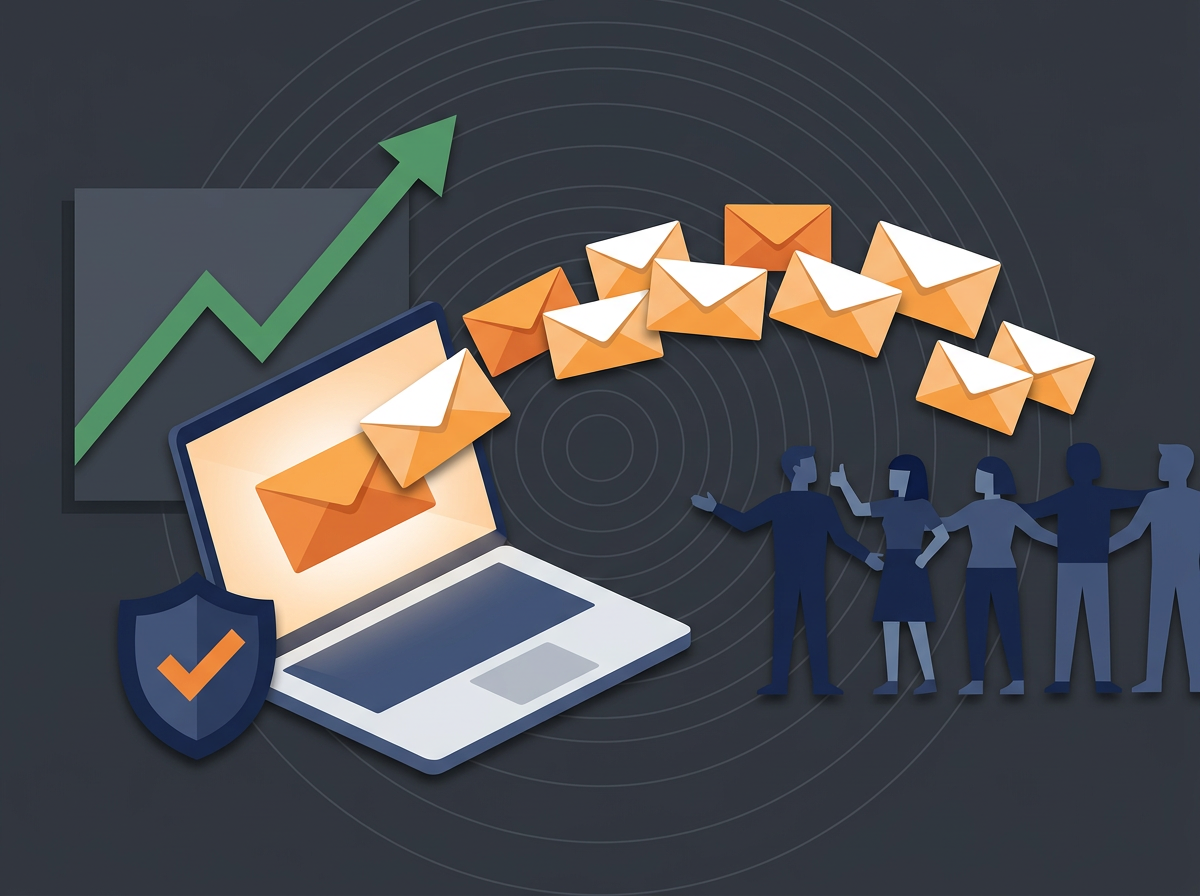
But there's a catch you need to know about right away. Not every email service provider (ESP) is firearms-friendly. Mailchimp, for example, has been known to shut down accounts that sell firearms or ammunition. Don't learn this the hard way.
Firearms-friendly platforms include Klaviyo (especially great for ecommerce), ActiveCampaign, and Drip. Do your homework on terms of service before you commit to a platform. For a deeper dive, check out our full guide to email marketing for firearms brands.
Now, let's talk about why this matters financially. Email marketing generates roughly $36 to $42 for every $1 spent across industries. For firearms businesses with a loyal customer base and repeat purchase potential, that number can be even higher.
Building your list with tactics that actually work.
You need subscribers before you can sell to them. Here's what moves the needle:
- Website pop-ups with a compelling offer (10% discount code, free guide, giveaway entry)
- In-store sign-ups at your POS system or range check-in desk
- Lead magnets like a "Free Concealed Carry Checklist" or "Home Defense Setup Guide"
- Giveaways featuring ammo, accessories, or range time to accelerate growth fast
Here's a real-world example: a gun range that added a simple tablet sign-up at the front desk started adding 200+ subscribers per month. That's over 2,400 potential customers per year from one small change.
What to actually send.
This is where most businesses freeze up. They build a list and then have no idea what to do with it. Keep it simple:
- Weekly newsletter: New products, restocks, range events, industry news
- Automated flows: Welcome series, abandoned cart recovery, post-purchase follow-up, win-back campaigns
- Promotional emails: Sales events, holiday pushes (Black Friday, Independence Day, hunting season)
- Educational content: Maintenance tips, training advice, legislative updates your customers care about
Segmentation That Drives Revenue
Sending the same email to your entire list is leaving money on the table. Even basic segmentation makes a huge difference.
- Segment by purchase history (handgun buyers vs. rifle buyers vs. accessories shoppers)
- Segment by engagement level (active readers vs. subscribers who haven't opened in 90 days)
- Segment by customer type (retail customers vs. range members vs. wholesale/FFL buyers)
Personalized emails dramatically outperform batch-and-blast sends. When a customer who just bought a Glock 19 gets an email about compatible holsters and magazines, that feels helpful, not spammy. That's the difference.
Now let's talk about the channel everyone asks about first: social media.
Firearms Social Media Marketing: Playing the Long Game
Let's be honest about social media for firearms businesses. It's not the golden ticket that marketing gurus make it out to be. But it's not useless, either. You just have to play by different rules.
The reality check.
Organic reach is still possible on most platforms. But you need to be strategic about what you post. Avoid direct product sales language, pricing in captions, and purchase CTAs. Focus instead on education, entertainment, community, and lifestyle content. Show the culture, not just the catalog.
In terms of firearms-friendliness and long-term value, here's how platforms stack up: YouTube is at the top, followed by Instagram, then Facebook, with TikTok bringing up the rear as the most unpredictable and restrictive.
YouTube is the most underused channel in the firearms industry.
Think about it this way: YouTube is the second-largest search engine in the world. Your videos don't just live on YouTube. They rank in Google search results too.
Product reviews, how-to videos, range day content, course previews. All of it performs. A manufacturer who posts a simple 5-minute "how to install" video can generate consistent organic traffic for years from that single piece of content.
And you don't need a Hollywood production budget. A smartphone, a decent microphone, and good lighting will get you 90% of the way there. Consistency beats production quality every single time.
Community-building over content-pushing.
Stop thinking of social media as a megaphone and start thinking of it as a conversation. Engage in firearms forums. Be active in Reddit communities like r/guns, r/CCW, and r/longrange. Join niche Facebook groups where your customers already hang out.
Answer questions. Share knowledge. Become a trusted voice. Feature your customers (with permission), share range day photos, and celebrate community milestones.
Loyalty and community drive more repeat purchases than any ad campaign ever will.
Let's pull all of this together into something you can actually execute.
Your 90-Day Firearms Digital Marketing Action Plan
Strategy without execution is just a wish list. Here's exactly how to prioritize your first 90 days.

Days 1 to 30: Build the Foundation
- Audit and optimize your Google Business Profile (categories, photos, hours, Q&A)
- Choose a firearms-friendly ESP and start building your email list today
- Publish 2 SEO-optimized blog posts targeting your highest-value keywords
- Set up a basic welcome email automation for new subscribers
Days 31 to 60: Build Momentum
- Launch a lead magnet or giveaway to accelerate list growth
- Publish 2 more blog posts and optimize your existing product or service pages
- Start a YouTube channel or Instagram content schedule (even once a week counts)
- Begin a review generation campaign for your Google Business Profile
Days 61 to 90: Scale What's Working
- Analyze which content and emails are driving the most traffic and revenue
- Double down on your top-performing channels
- Implement email segmentation and set up automated flows (abandoned cart, post-purchase)
- Explore compliant paid advertising options like programmatic ads, native ads, or firearms-specific ad networks
You don't have to do everything perfectly from day one. You just have to start.
Conclusion
Here's the bottom line: firearms digital marketing doesn't have to be a nightmare. You just can't follow the same playbook as everyone else. The platforms that work for other industries have made it clear they don't want your money. Fine. Build something better.
Three things to take away from this guide:
- Own your audience. Your email list and organic search rankings are worth more than any social media following. Invest there first.
- Create content that educates and builds trust. It compounds over time. A blog post you write today can drive traffic and sales for years.
- Start now. Every month you wait is traffic and revenue your competitors are capturing instead of you.
"But this sounds like a lot of work." You're right. It is. But it pays off exponentially, and the results compound the longer you stay consistent. The businesses winning right now aren't bigger than you. They just started sooner.
You don't have to do it alone, either.
Want a marketing plan built specifically for your gun store, range, or manufacturing business? Let's talk. Book a free strategy call with GunPowdr and we'll show you exactly where your biggest growth opportunities are.
Want weekly firearms marketing tips, strategies, and industry updates delivered straight to your inbox? Subscribe to the GunPowdr newsletter.